
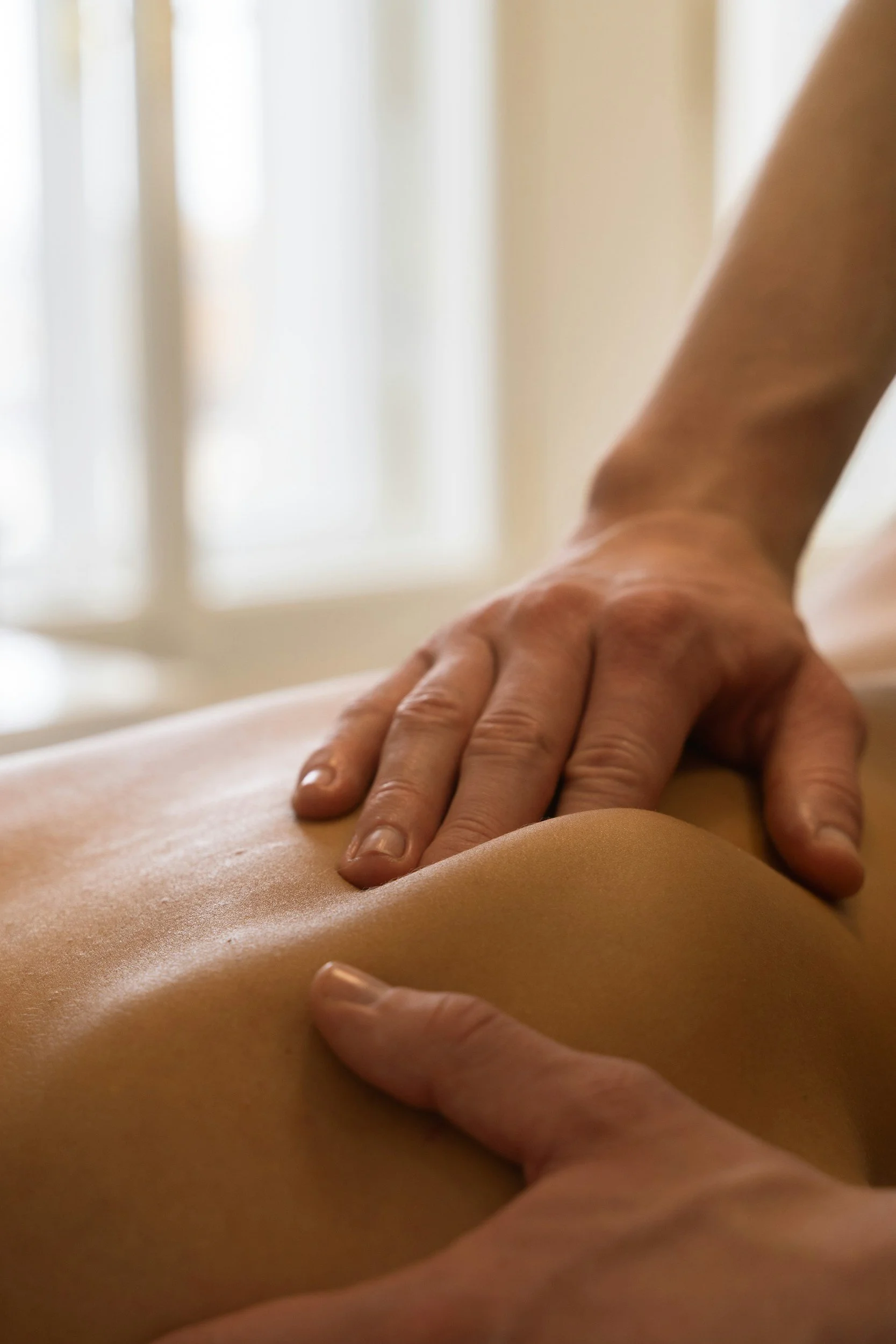
Massage Therapy Benefits: Why It’s Not Just Nice, It’s Essential
Massage therapy is often seen as a luxury, but science tells a different story. Far from being “just relaxing” or a nice-to-have, massage plays a powerful role in nervous system regulation, stress reduction, and overall health.
It is, in many ways, the ultimate somatic practice.
In a time where many people live disconnected from their bodies, we often ignore the signals until they become impossible to overlook, burnout, chronic anxiety, pain, or injury. Massage offers a way to reconnect before the body has to “shout.”
How Massage Affects the Nervous System
Massage stimulates pressure receptors (mechanoreceptors) in the skin and muscles. These receptors send signals to the brain that help shift the body out of fight-or-flight (sympathetic state) and into rest-and-digest (parasympathetic state).
This shift leads to:
reduced heart rate
decreased muscle tension
improved circulation
a deeper sense of physical and mental calm
In simple terms, massage helps the body reset and recover.
The Science Behind Stress Relief
Research shows that massage therapy can:
lower cortisol (the stress hormone)
increase serotonin and dopamine (mood regulators)
release endorphins (natural pain relievers)
These physiological changes explain why massage is effective for stress, anxiety, burnout, and sleep issues.
The Brain-Body Connection
Massage activates specialized nerve fibers called C-tactile afferents, which are linked to emotional processing rather than just physical sensation. These fibers send signals to areas of the brain involved in body awareness and emotional regulation.
This is why massage can make you feel not just relaxed, but safe, grounded, and connected.
Massage also stimulates the vagus nerve, a key communication pathway between the body and brain. Around 80–90% of its fibers carry information from the body to the brain, meaning your physical state strongly influences your mental and emotional state.
Massage for Stress, Burnout, and Pain
Chronic stress and emotional strain often manifest physically as:
muscle tension
headaches
fatigue
body aches
Massage therapy helps relieve these symptoms while also supporting emotional regulation and recovery.
Enhancing the Effects: Breathwork, Reflexology & Acupressure
Massage becomes even more powerful when combined with other body-based practices:
Breathwork helps regulate the nervous system more quickly
Reflexology stimulates internal systems through points in the feet and hands
Acupressure releases tension and supports energetic balance
Together, these approaches deepen relaxation and enhance the body’s ability to self-regulate.
Why the Body–Mind Connection Matters
Many people today live in a constant state of mental overload, disconnected from their physical sensations and emotional signals.
Massage helps restore this connection by bringing awareness back to the body.
This reconnection is essential for:
managing stress
processing emotions
improving overall well-being
Massage Is Not a Luxury, It’s a Tool
Massage therapy is a natural, non-invasive approach to supporting both physical and emotional health. When practiced regularly, it can help regulate the nervous system, reduce stress, and improve quality of life.
It doesn’t just feel good
it helps your body function better.
Manage Hay Fever and Allergies Naturally: The Ayurvedic Way
In Ayurveda, breath transcends mere inhalation and exhalation; it embodies the very essence of life itself. Referred to as prana, or life force, breath serves as the conduit through which vital energy flows, nurturing our body, mind, and spirit. When our airways remain clear and our breath flows freely, prana maintains balance among the doshas — Vata, Pitta, and Kapha — the fundamental energies governing our physiology.
Maintaining this delicate balance is pivotal for holistic well-being. Clear airways facilitate deep, nourishing breaths, infusing every cell with vitality and supporting optimal bodily functions. This isn't solely about physical health; it encompasses mental clarity and emotional equilibrium as well. By prioritizing the cleanliness and openness of our air passages, we cultivate a foundation of vitality, clarity, and stability essential for living a vibrant and balanced life.
However, hay fever and persistent nasal congestion can disrupt this delicate equilibrium. Thus becoming mouth breathers, creates a pattern of breathing that becomes faster and shallower altering our nervous system. Hay fever, which often peaks during spring and summer, obstructs our airways and disrupts the flow of prana, resulting in symptoms like congestion, runny nose, and itchy eyes. Hay fever is typically associated with an imbalance in Kapha and Pitta doshas.

Did you know that due to climate change, allergy season might start as early as January? Approximately 49% of people in the UK report suffering from symptoms related to pollen.
Understanding Hay Fever: Allergic rhinitis, or hay fever, occurs when the body reacts to tiny airborne allergens like pollen or dust mites. This triggers the immune system to release histamine, causing symptoms like sneezing and nasal congestion. Over time, repeated exposure can lead to increased sensitivity and more severe reactions. Commonly associated with hay fever, pollen allergies can also manifest as allergic asthma and eczema.

Ayurvedic approach to Hay fever
When it comes to hay fever, Ayurvedic practices become particularly relevant. Ayurveda offers a holistic approach to managing hay fever by balancing the body's energies, or doshas, and strengthening the immune system. Here are some natural Ayurvedic remedies to help alleviate hay fever symptoms:.
Improving Digestion (Agni): Strong digestion (Agni) is key to eliminating toxins (Ama) and bolstering the immune system. Include warming spices like ginger, turmeric, and black pepper in your diet to kindle Agni.
Detoxification and Boosting Ojas: Ayurvedic detoxification therapies, such as Panchakarma, help rid the body of accumulated toxins and enhance Ojas, the essence of immunity and vitality.
Dietary Changes: Incorporate foods that pacify the aggravated dosha, typically Pitta and Kapha doshas in hay fever. Favour warm, cooked foods over cold or raw ones.
Herbal Remedies: Utilize natural remedies like turmeric and Triphala to support respiratory health and reduce inflammation.
Eye care: For dry eyes, Ayurveda recommends applying a drop of pure ghee (clarified butter) to each eye before bedtime. This lubricates the eyes and reduces dryness
Nasal Therapy:
Neti Pot or Nasal rinsing: Nasal irrigation with a saline solution using a neti pot can help clear the nasal passages and relieve congestion
Steam Inhalation: Inhaling steam infused with eucalyptus or mint oil can help clear nasal congestion and soothe irritated mucous membranes.
Nasya or nose oleation: Apply medicated oils to the nasal passages to lubricate and protect them from allergens.
Yoga and pranayama: Engage in activities that promote balance and relaxation.
Bridge Pose (Setu Bandhasana): Lie on your back, bend your knees, and lift your hips towards the ceiling. Hold for a few breaths to open the chest and stretch the spine.
Fish Pose (Matsyasana): Lie on your back, lift your chest, and tilt your head back. Hold briefly to open the chest and throat, aiding congestion relief.
Standing Forward Bend (Uttanasana): From standing, fold forward, reaching towards the floor. Hold to promote sinus drainage and ease pressure.
Practice Breath of fire followed by alternate nostril breathing can help improve lung function and reduce stress, which can exacerbate hay fever symptoms.
It's essential to consult with an Ayurvedic practitioner before starting any new regimen, especially if you're currently on medication or have underlying health conditions. Ayurveda considers each individual's unique constitution, or prakriti, so the treatment approach may vary from person to person.
By embracing Ayurvedic principles and incorporating natural remedies into your daily routine, you can effectively manage hay fever symptoms and cultivate a deeper sense of well-being and vitality.
Unlocking Vitality: The Essence of Marma Therapy in Ayurvedic Healing

Marma therapy, also known as Marma Chikitsa, is paramount in Ayurvedic medicine, addressing various health concerns, from minor discomforts to significant ailments. Unlike acupuncture points in Traditional Chinese Medicine (TCM), these vital energy points extend over larger body areas, influencing both organic function and structural well-being.
-
Marmas serve as potent energy switches, modulating the vital force or prana within the body. Skilful manipulation redirects prana to remove blockages, enhance energy flow, or tap into hidden energy reserves. This makes Marma therapy a pivotal tool for energetic and pranic healing, offering a holistic approach to well-being.n text goes here
-
In Ayurveda, the condition of marmas serves as a valuable diagnostic tool. Accumulated toxins, stress, and negative emotions find solace in these points, often persisting for years. The disease manifests through pain, blockages, or swelling, offering early indicators long before outward symptoms emerge. Ayurvedic doctors skillfully palpate marmas during examinations, gleaning invaluable insights.
-
Relieving pain, blockages, and swelling at marma sites is a crucial therapeutic approach, often integral to many Ayurvedic treatments. These vital energy points serve as critical locations for Ayurvedic bodywork and massage. Experienced therapists focus on regions needing stimulation or release, utilizing various methods, including pressure, heat, needles, massage oils, herbs, and aromatic oils.
Discover the Art of Marma Therapy
Embark on a transformative journey through Marma Therapy, a holistic approach that harmonizes the physical and energetic realms. Experience a revitalized sense of well-being and embrace balance like never before. Explore various methods, from Abhyanga massage to acupressure, aromatherapy, and energy healing, all seamlessly integrated for your well-being.
If you're eager to unlock the benefits of Marma Therapy, why wait? Schedule a free consultation call with me today to discuss any questions or book your first session. Your journey to holistic well-being starts here!.
*The information on this website is for educational purposes only and is not a substitute for medical advice, diagnosis or treatment. Please see a qualified health practitioner for more information about your needs.